You’re standing in a packed underground shopping arcade in Tokyo. It’s 11 PM on a Friday.
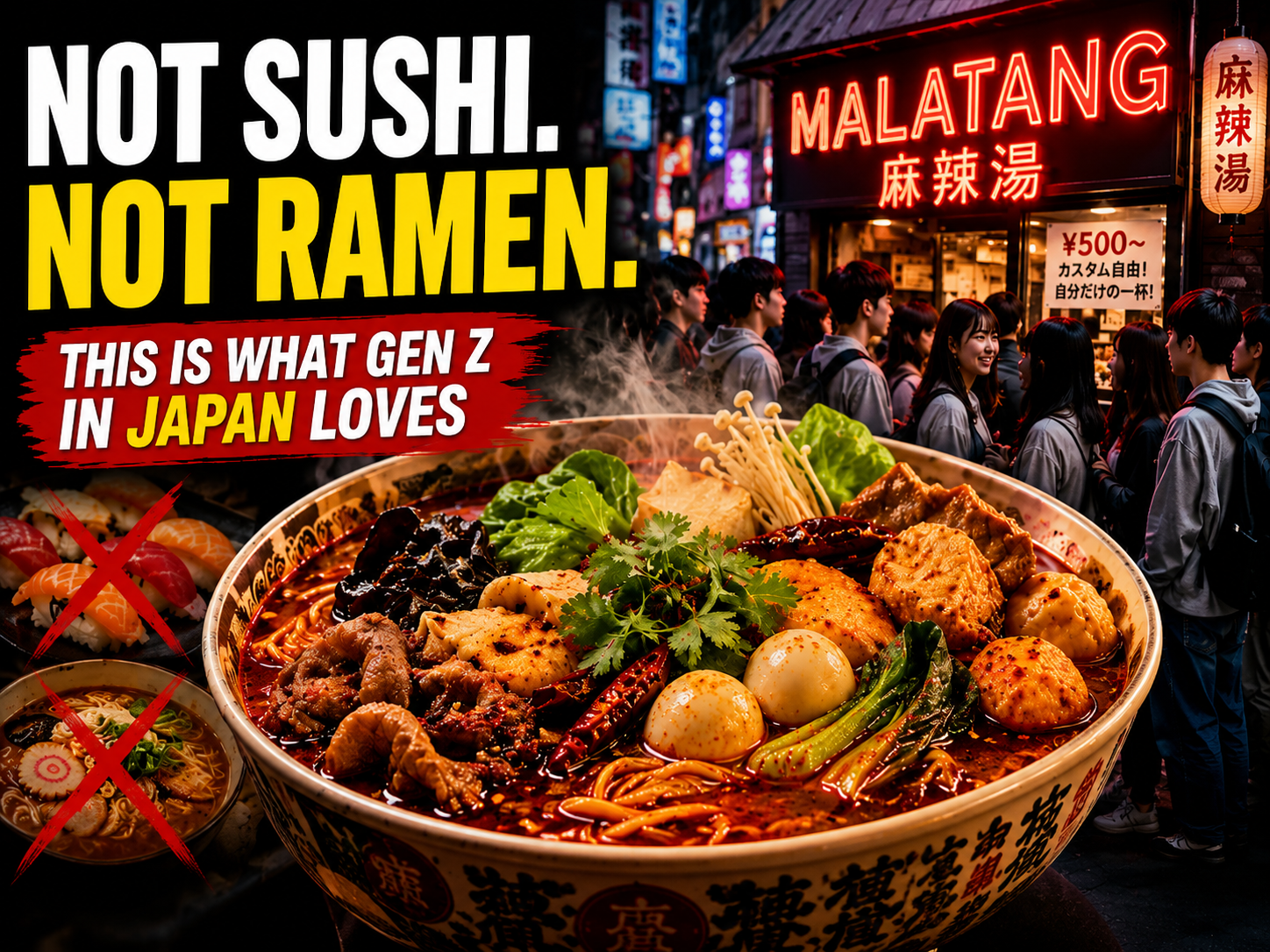
A line of teenagers snakes out the door of a small shop with neon signs blazing. They’re not waiting for ramen. Not for sushi. Not for anything traditionally Japanese.
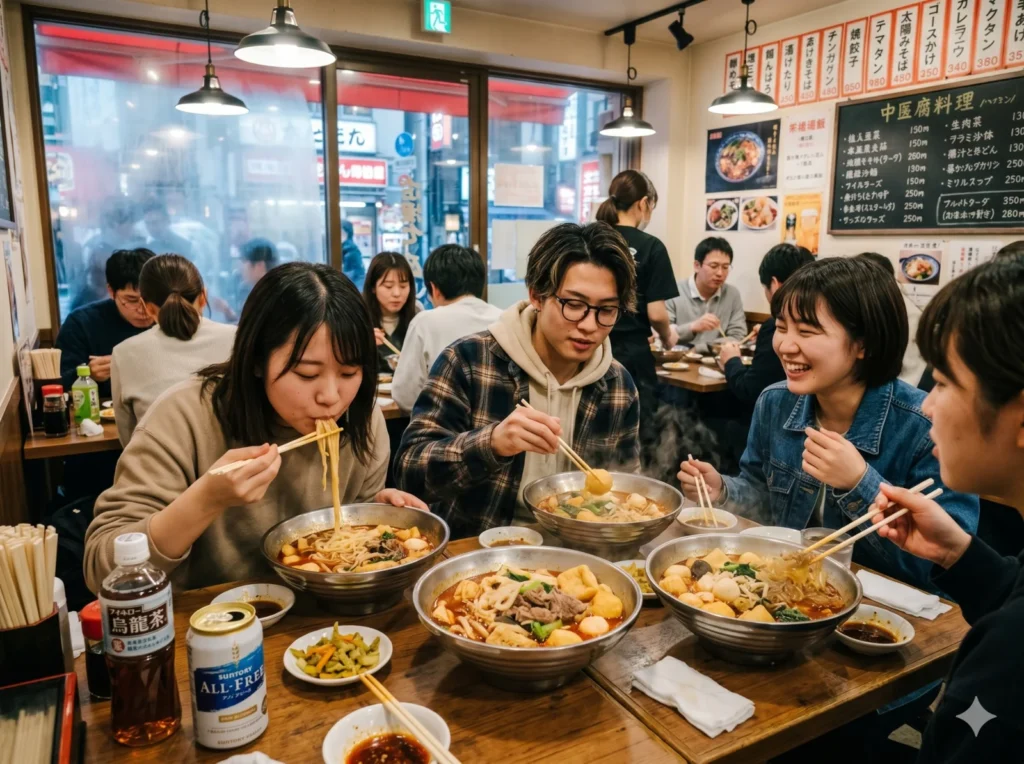
They’re waiting for malatang — a bubbling pot of spicy, aromatic broth where they’ll pick their own ingredients: fish balls, mushrooms, leafy greens, meat strips, noodles. The whole thing costs ¥500-800. In fifteen minutes, they’ll be slurping burning-hot broth with friends, sweating through their uniforms, laughing.
This is Gen Z Japan. And it’s obsessed with Chinese food.
Specifically, malatang — a Sichuan street food that’s become the top trending food item among young Japanese people. Not as a novelty. As a lifestyle. As the new social gathering spot replacing izakayas and convenience store hangouts.
What’s happening right now in Japan reveals something deeper than just a food trend. It’s a generational shift. It’s young people rejecting traditional Japanese food culture and embracing something faster, cheaper, spicier, and more customizable. It’s Chinese food companies winning the hearts of Gen Z before Japanese restaurants even noticed what was happening.
And it’s completely uncut Japan.
What Is Malatang Exactly?
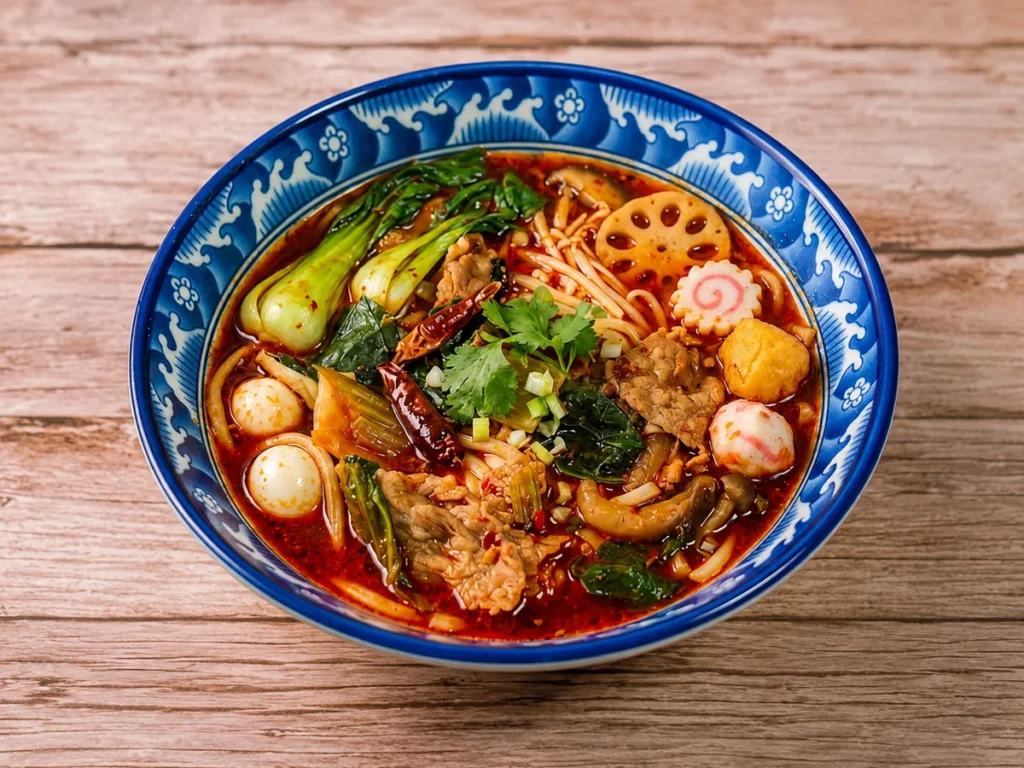
Malatang is a Sichuan Chinese street food dish. The name literally means “numbing and spicy” — referring to the signature combination of Sichuan peppercorns (which create a numbing sensation) and chili heat.
Here’s how it works: You walk up to a pot of simmering broth infused with dried chilies, Sichuan peppercorns, garlic, and spices. The broth is deep red and intensely fragrant. Then you grab a small basket or strainer.
You point. You choose. Everything goes in: quail eggs, fish balls, mushroom varieties, leafy greens, noodles, meat, tofu, organs. The cook drops your selections into the broth for 2-3 minutes. It comes out piping hot in a disposable paper cup.
You eat it standing up, often on the street or in a cramped shop. You sweat. You feel alive.
In China, malatang has been a street food staple for decades. But in Japan? It arrived quietly around 2023 and exploded in 2024-2025 among Gen Z.
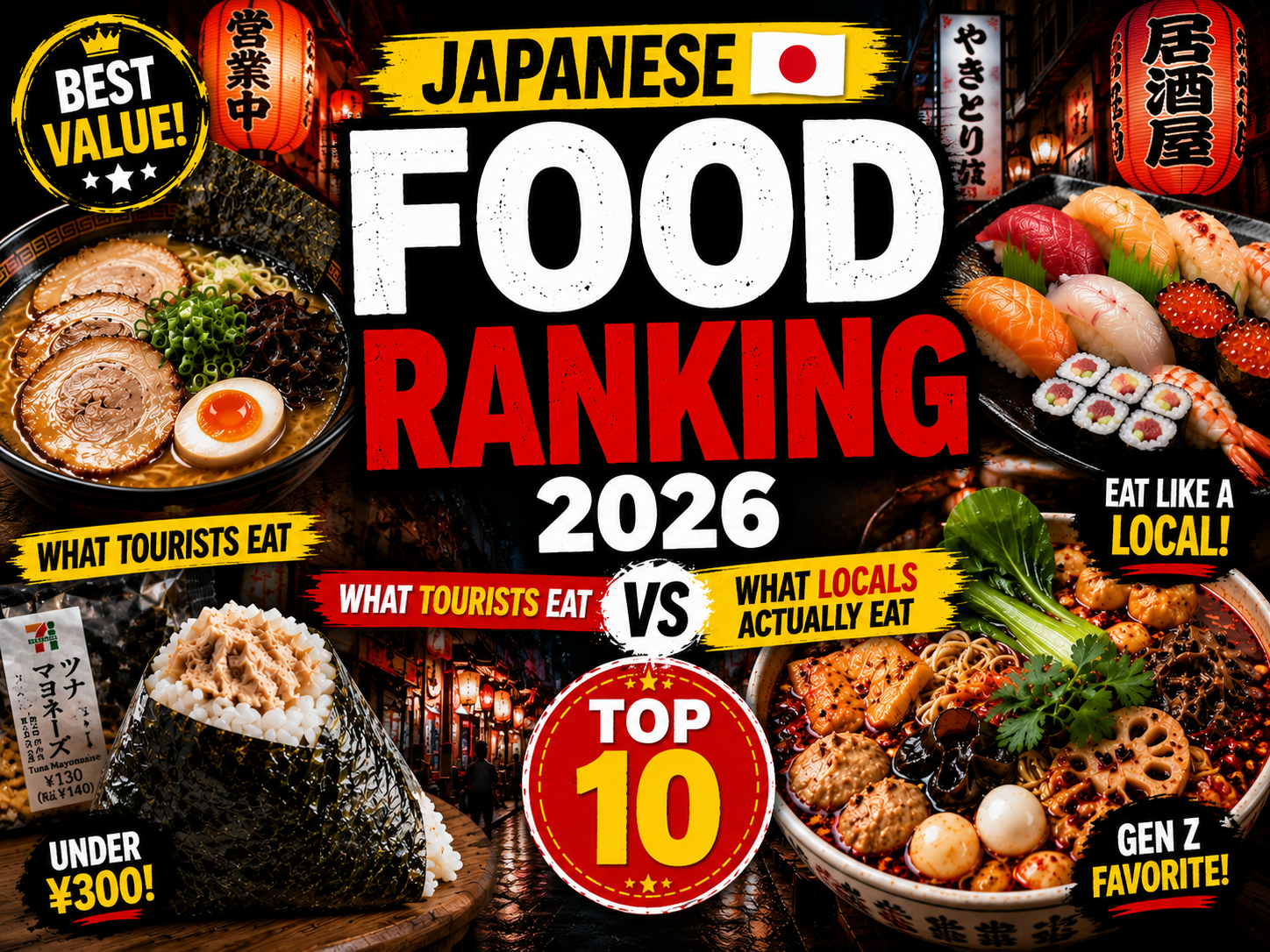
According to https://www.shibuya109.jp/lab/ Shibuya109 Entertainment’s 2026 trend forecast survey of 401 women aged 15-24, malatang ranks as the top trending food item among young Japanese people. It surpassed ramen, sushi, Korean BBQ, and traditional Japanese dishes.
That’s not a small shift. That’s a cultural earthquake.
Why Gen Z Japan Is Obsessed With Malatang
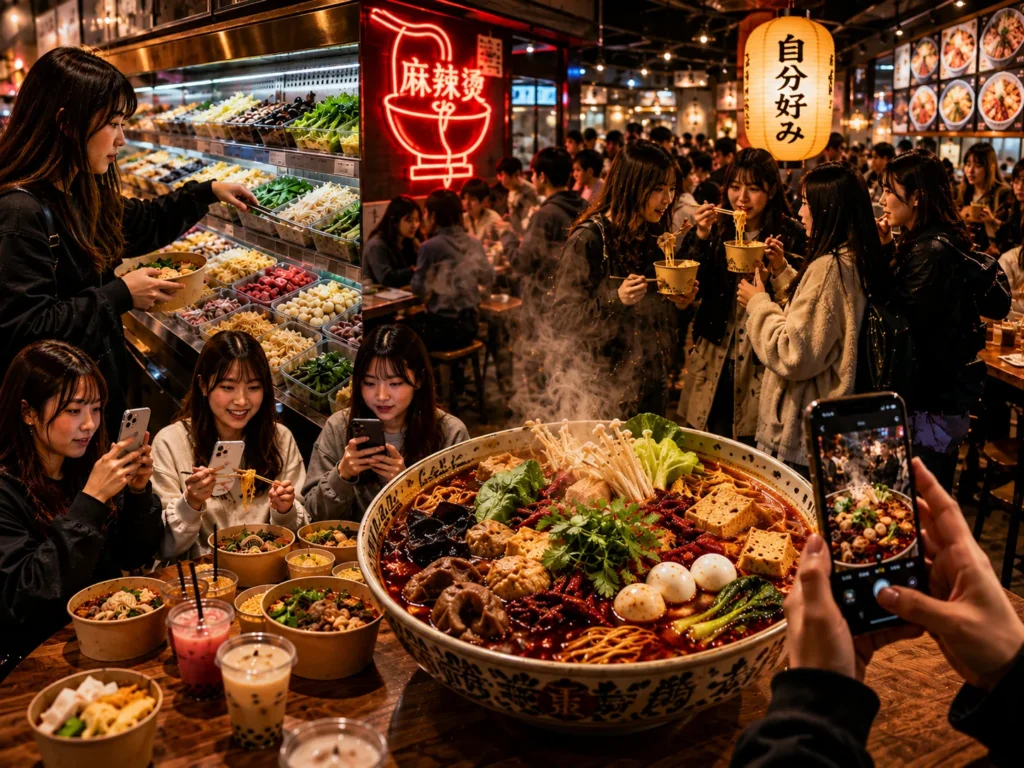
It’s Interactive, Not Passive
Traditional Japanese dining is refined. You sit. Food arrives plated. You eat what they give you.
Malatang is the opposite. You’re the chef. You choose every ingredient. You customize it completely. You have agency.
For a generation that grew up with social media, customization isn’t optional — it’s essential. https://www.fun-japan.jp/en/articles/ According to SHIBUYA109 lab’s research, customizable foods like tacos and steamed dishes where you arrange ingredients are core trends. Malatang lets you create something uniquely yours in real time.
It’s Affordable Luxury
A bowl of malatang costs ¥500-800 (roughly $3-5 USD). It’s filling, delicious, and premium-feeling.
Compare that to a traditional kaiseki dinner (¥5,000+), a nice ramen (¥1,000), or even convenience store food (¥600-1,200 for a meal). Malatang hits the sweet spot: feels indulgent but doesn’t break the bank.
This matters for Gen Z Japan, which is financially more cautious than previous generations. They want the experience of premium dining without the premium price tag.
It’s Visually Perfect for Social Media
Malatang is Instagram and TikTok gold. The deep red broth. The colorful ingredients. The steam rising. The customization moment. The satisfied eating moment.
Every step is shareable. And Gen Z doesn’t just eat food — they document it, share it, curate it for their audience.
When you post a malatang bowl, you’re not just showing food. You’re showing personality, taste, sophistication.
It’s the Opposite of Tourist Food
This is crucial for understanding the “Uncut Japan” angle. Malatang isn’t in guidebooks. Tourists don’t know about it. Japanese tourists abroad don’t seek it out.
It’s authentically what young Japanese people are actually eating right now. Not what they think tourists want to see them eat. Not what’s traditionally “Japanese.”
That authenticity resonates with Gen Z, who are tired of performing Japan for outsiders.
The MIXUE Explosion — How Chinese Chains Conquered Japan
The malatang trend exploded partly because of one company: MIXUE.
MIXUE is a Chinese beverage and food chain that opened in Japan in late 2024. Their model is simple: large drinks and snacks at dirt-cheap prices.
A Chinese-origin drink specialty shop “MIXUE” became a hot topic by offering large drinks at affordable prices starting from just over 100 yen.
One hundred yen. That’s less than a dollar USD.
Stores opened. Lines formed. By June 2026, MIXUE has 50+ locations across major Japanese cities. Young people camp outside for new store openings like it’s a concert.
The phenomenon is so strong that Japanese convenience stores and traditional beverage shops are panicking. Their margins can’t compete. Their pricing can’t compete. Their appeal can’t compete.
MIXUE serves malatang alongside these drinks. It’s become the one-stop shop for Gen Z nightlife: cheap, customizable, Instagram-worthy, authentically foreign (which makes it feel cool), and endlessly shareable.
What This Reveals About Japanese Food Culture
Here’s what’s actually happening: young Japanese people don’t care about preserving traditional Japanese food culture anymore.
They care about taste, price, experience, and what their friends are doing.
If Chinese spicy broth delivers on all those fronts better than a traditional kaiseki meal, they’ll choose Chinese spicy broth.
This isn’t disrespect for Japanese culture. It’s just indifference to it. Japanese youth care more about being part of a global Gen Z culture than preserving a national food identity.
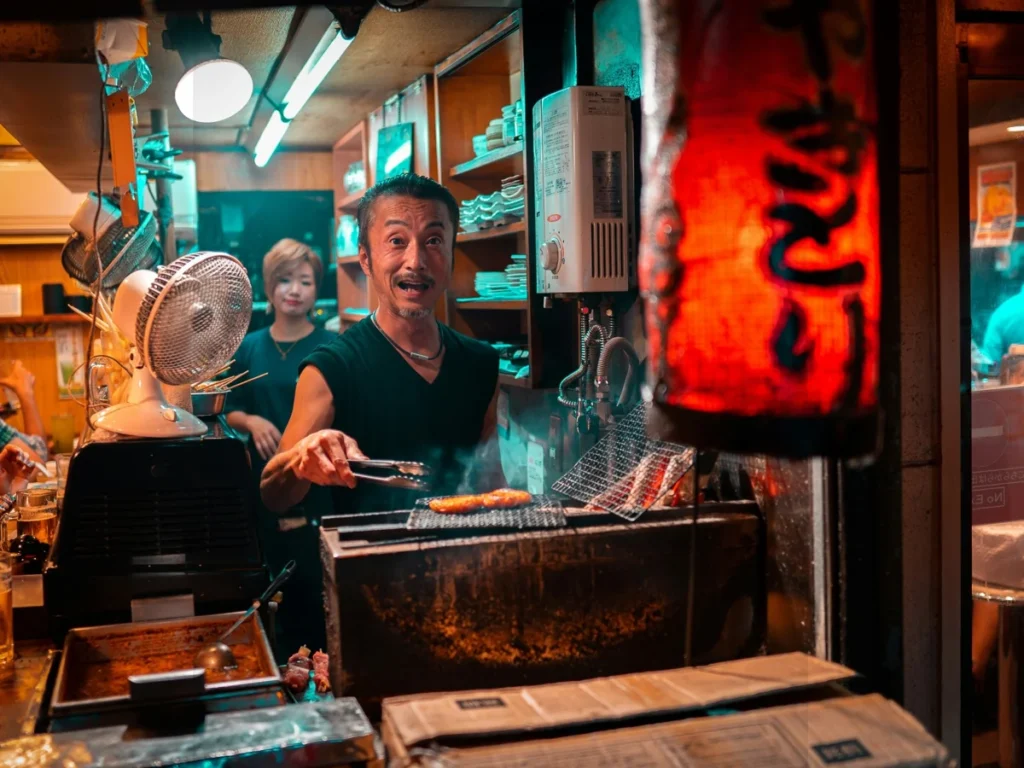
Traditional Japanese restaurants are aging. The chefs are older. The customers are older. The prices are higher. The portions are smaller.
Meanwhile, MIXUE opens a new location and 500 teenagers line up around the block.
The gap between what Japan thinks young people want and what they actually want has never been wider.
The Food Culture Shift — What’s Changing
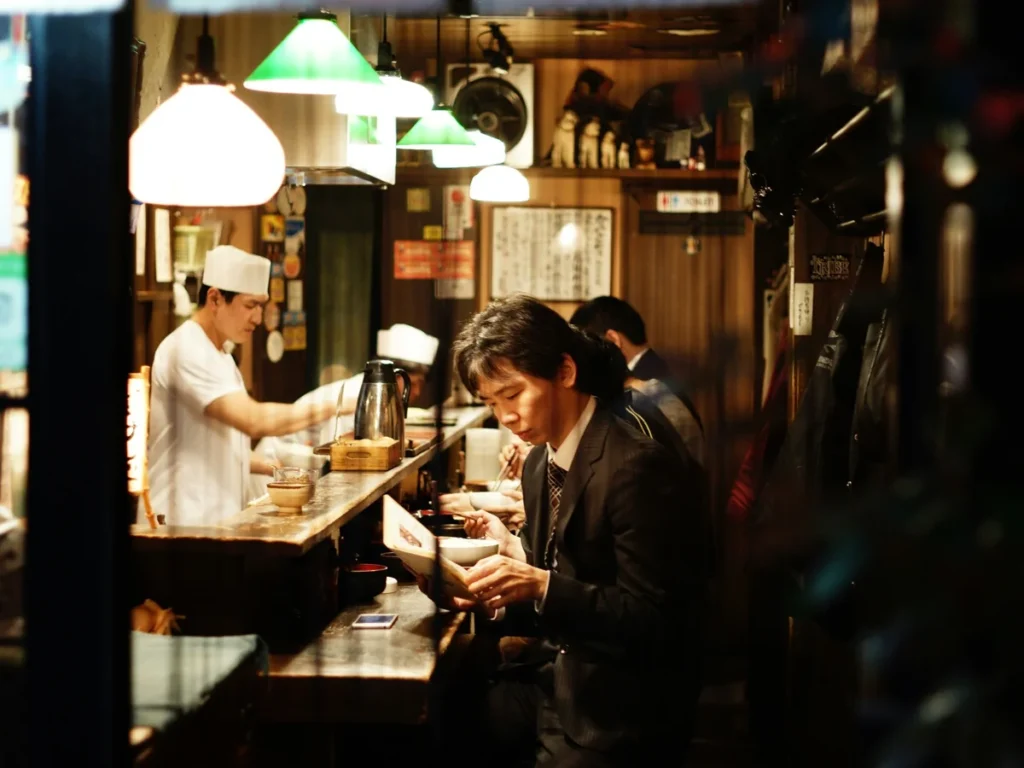
Food trends originating from China and Korea continue to attract attention among young Japanese people, with respondents drawn to foods that “look delicious at a glance,” where “guaranteed delicious food” is the key factor.
This is the opposite of traditional Japanese philosophy, which emphasizes restraint, subtlety, and acquired taste.
Gen Z Japan wants the opposite: boldness, clarity, immediate appeal. Food that doesn’t require cultural education to appreciate.
Malatang represents this perfectly. You don’t need to know Japanese food history to enjoy it. You don’t need to understand seasonality or technique or presentation philosophy. You just need taste buds and the ability to choose.
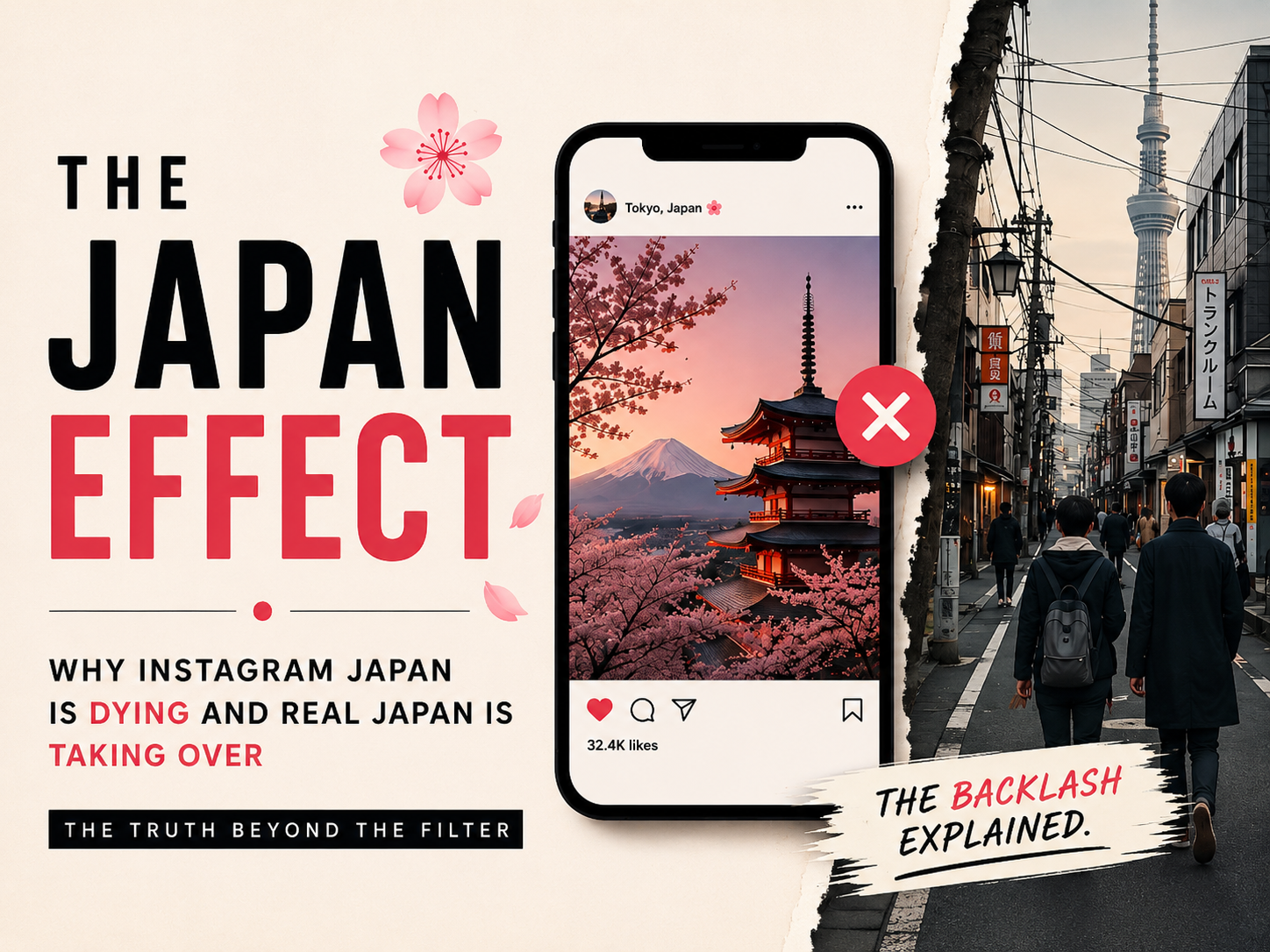
This connects to broader shifts we’ve seen throughout Japan. https://uncutjapan.com/the-japan-effect/ Young people are rejecting romanticized versions of their own culture — whether that’s Instagram-perfect Japan or traditional food culture. They want the real thing. The raw thing. The unfiltered thing.
Malatang is unfiltered. It’s spicy. It’s honest. It doesn’t pretend to be something it’s not.
Is This Bad For Japan?
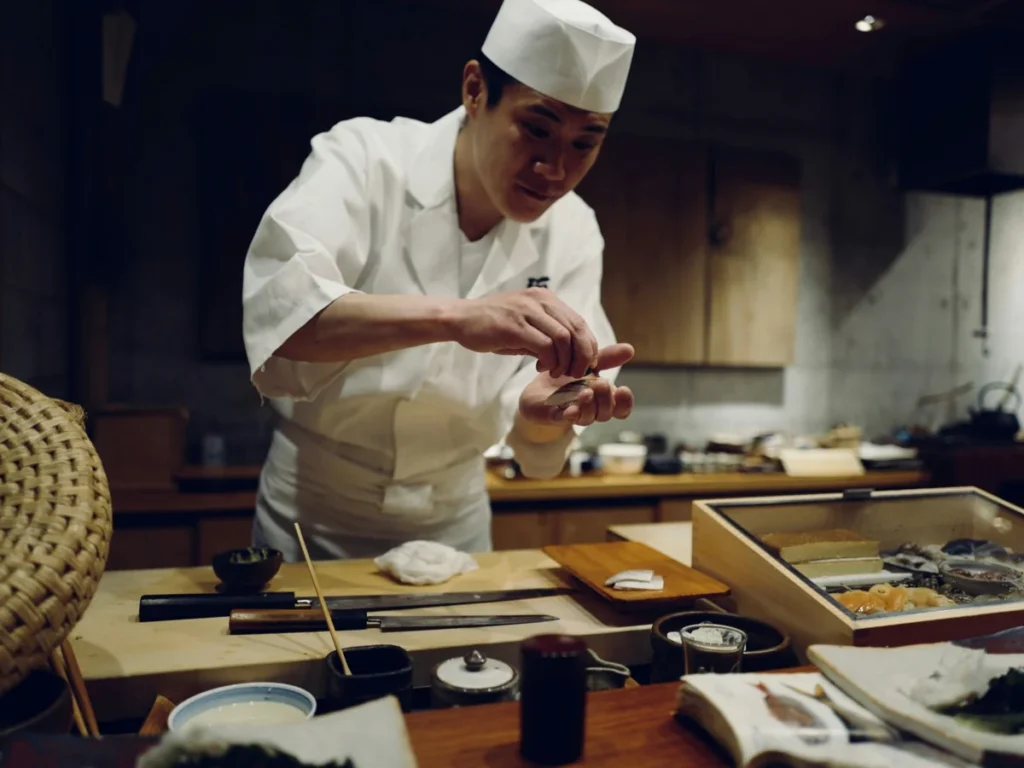
Some traditional food industry leaders worry this is cultural erosion. That Gen Z is losing touch with Japanese heritage.
But here’s the honest assessment: Japanese food culture isn’t dying. It’s just not cool to young people right now.
And that’s okay. Cultures evolve. What was essential to their parents’ identity is optional to them.
In 20 years, some of these Gen Z people will probably want to return to traditional Japanese cuisine. They’ll appreciate the subtlety they missed. They’ll have the money to afford it.
For now, they want malatang. And that’s genuinely what Japan looks like in 2026 — not what the tourism board wants it to look like, but what young people are actually eating and sharing and caring about.
Final Thought
Japan’s most famous export is the idea of Japan itself — refined, aesthetic, timeless, untouched.
But actual Japan? Real Japan? It’s a Gen Z kid in Tokyo on a Friday night, standing in a MIXUE shop, ordering a large Chinese drink and a customized bowl of malatang, posting it on TikTok, and feeling completely satisfied with her choice.
That’s not the Japan in guidebooks.
That’s not the Japan tourists expect.
But it’s the Japan that’s actually happening.
And that’s the Japan worth understanding.
That’s Japan, uncut.
Are you Gen Z? Have you tried malatang? What surprised you most about food culture shifting in your city? Drop your story in the comments.
Reading time: ~8-9 minutes
Malatang is a Sichuan Chinese street food where you choose your own ingredients and cook them in a spicy, numbing broth. The name means “numbing and spicy,” referring to Sichuan peppercorns and chili.
Malatang is affordable, customizable, visually appealing for social media, and feels authentically foreign and cool. It’s trending among Gen Z because it represents genuine food culture, not tourist-focused dining.
For Gen Z specifically, yes — malatang and other Chinese/Korean foods are outcompeting traditional Japanese cuisine. This doesn’t mean Japanese food is disappearing, but it’s no longer the default choice for young people.