
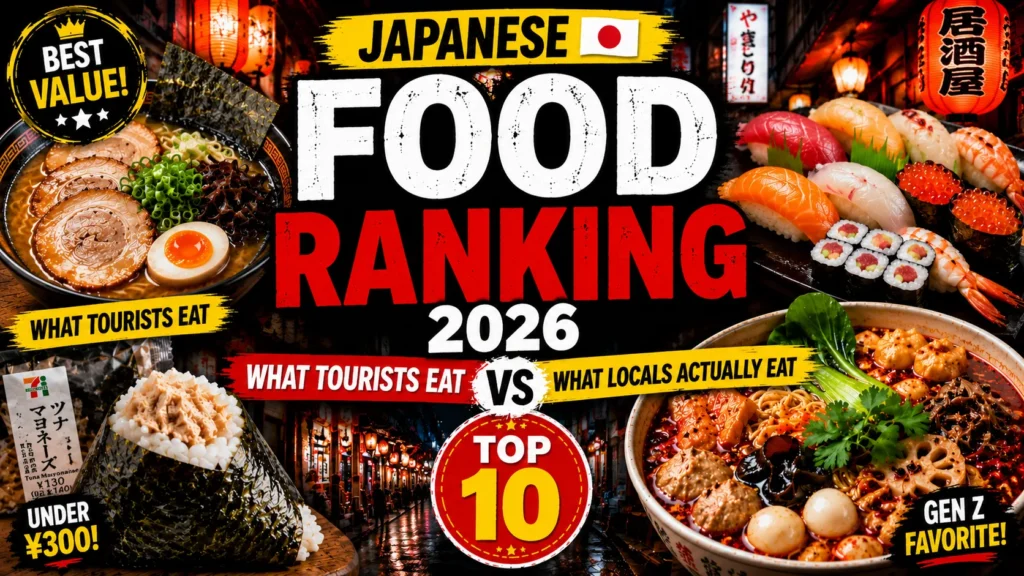
You’re sitting at a tiny counter. Steam rises from a bowl. Cost: ¥850.
Meanwhile, three tourists at the table next to you are waiting 90 minutes for the “Instagram-famous” ramen spot they read about. Bill: ¥1,800 each, mediocre broth.
This is the core problem with Japanese food ranking in 2026: most recommendations are built for social media, not your stomach or wallet.
A recent survey of 2,000 international travelers to Japan showed that https://www.japan-guide.com 63% felt their recommended restaurants didn’t match expectations</a>. They chased Instagram locations. They paid premium prices. They missed the real food.
Meanwhile, locals were eating better food for half the price two blocks away.
This Japanese food ranking cuts through the noise. We’re not ranking by Instagram potential. We’re ranking by authenticity, actual taste, cultural significance, and value. If you follow this guide, you’ll eat better than 90% of tourists who visit Japan — and spend less money doing it.
What “Japanese Food Ranking” Actually Means
When we rank Japanese food in 2026, we’re not creating a basic “top 10 list.” We’re answering the real question every traveler asks: What should I actually eat, where should I eat it, and what’s it really worth?
This means understanding three things that most food guides miss:
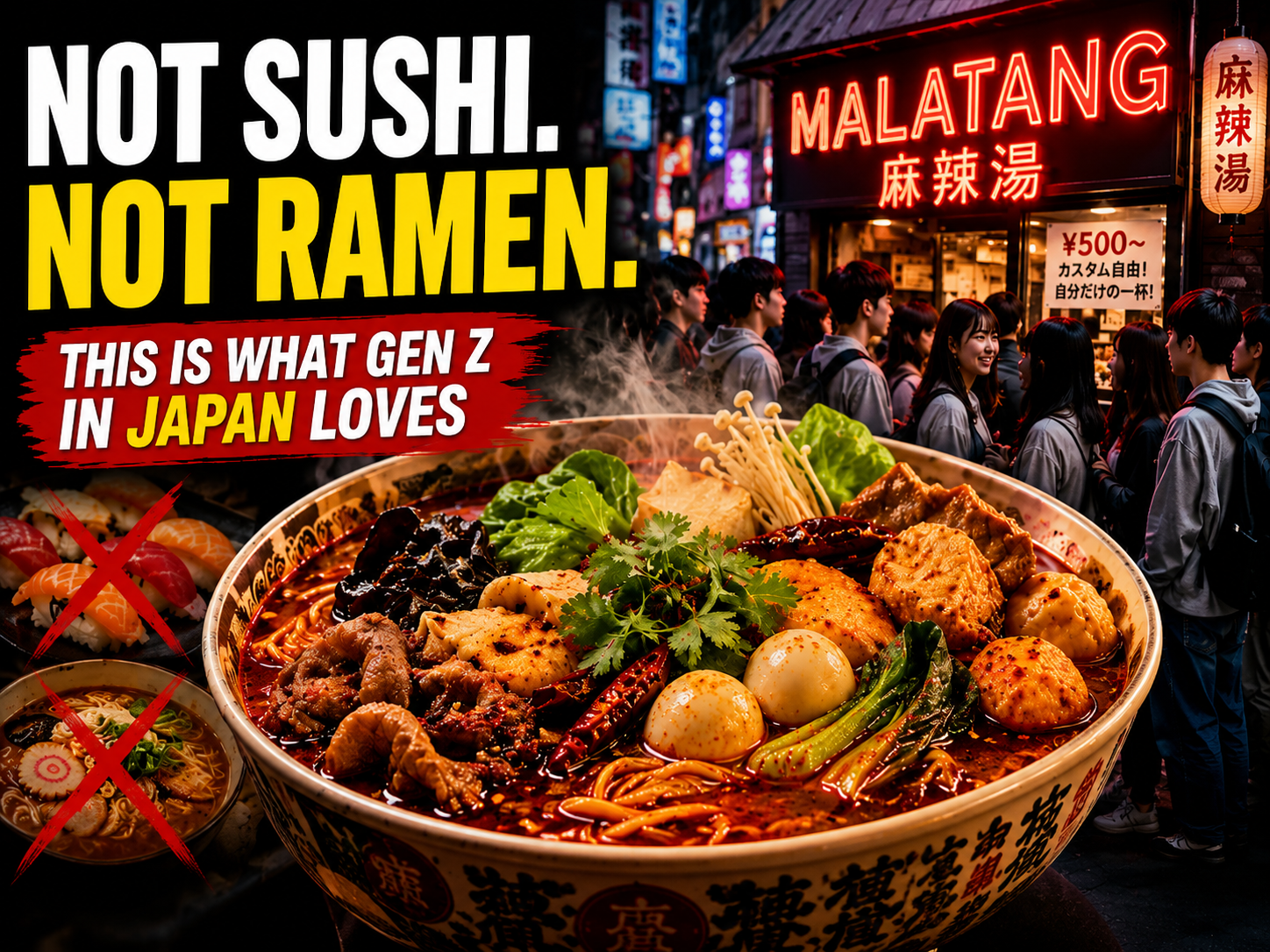
First, authenticity matters — but not in the way tourists think. The most authentic Japanese food isn’t always traditional. It’s the food young Japanese people are actually eating right now. https://www.shibuya109.jp/lab/ According to Shibuya109’s 2026 trend survey, malatang and mocktails rank higher among Gen Z than ramen. Traditional guides would never tell you that.
Second, value is real — Japanese food culture produces incredible meals at every price point. A ¥600 udon bowl can be genuinely superior to a ¥3,000 kaiseki experience if you know where to look. Most rankings ignore the cheap end entirely.
Third, rankings change based on context — what’s best for a budget traveler, a foodie, and a comfort-seeker are completely different things. One ranking can’t serve all three.
So this Japanese food ranking system breaks down by situation, not just by dish.
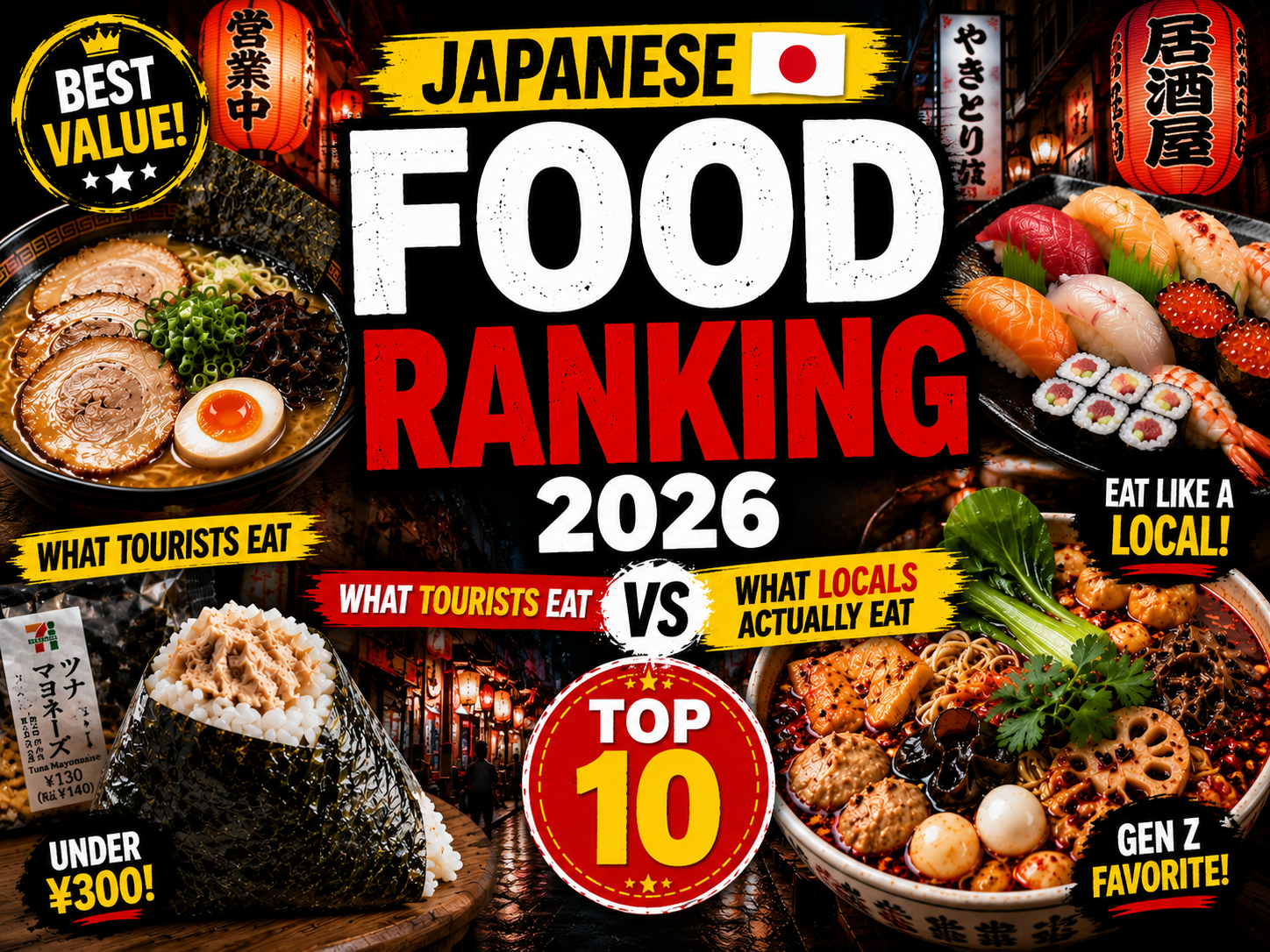
Japanese Food Ranking: Best Value Eats (¥600-1,000)
Convenience Store Onigiri (¥200-300)
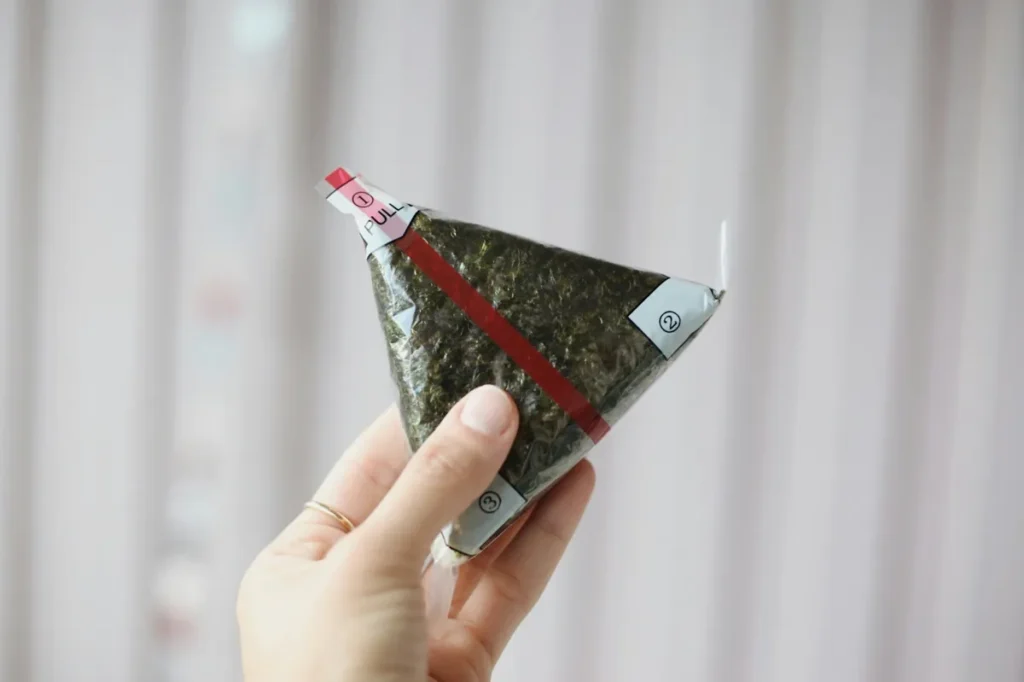
Ranking score: 9/10 for value
This seems absurd until you try a 7-Eleven tuna mayo onigiri at 2 AM after exploring Tokyo.
The rice is perfectly seasoned. The filling is generous. The nori (seaweed) is crisp. For context, https://uncutjapan.com/japanese-convenience-store-food-ranked-the-honest-guide-to-konbini-food-in-japan/ we’ve ranked every convenience store snack in depth, and onigiri consistently wins for pure value and satisfaction.
Where: Any 7-Eleven, FamilyMart, or Lawson Best time: Lunch or late night (fresh batches rotate hourly) Authentic rating: 10/10 — This is what actual Japanese people eat daily
Yoshinoya Beef Bowl (¥500-700)
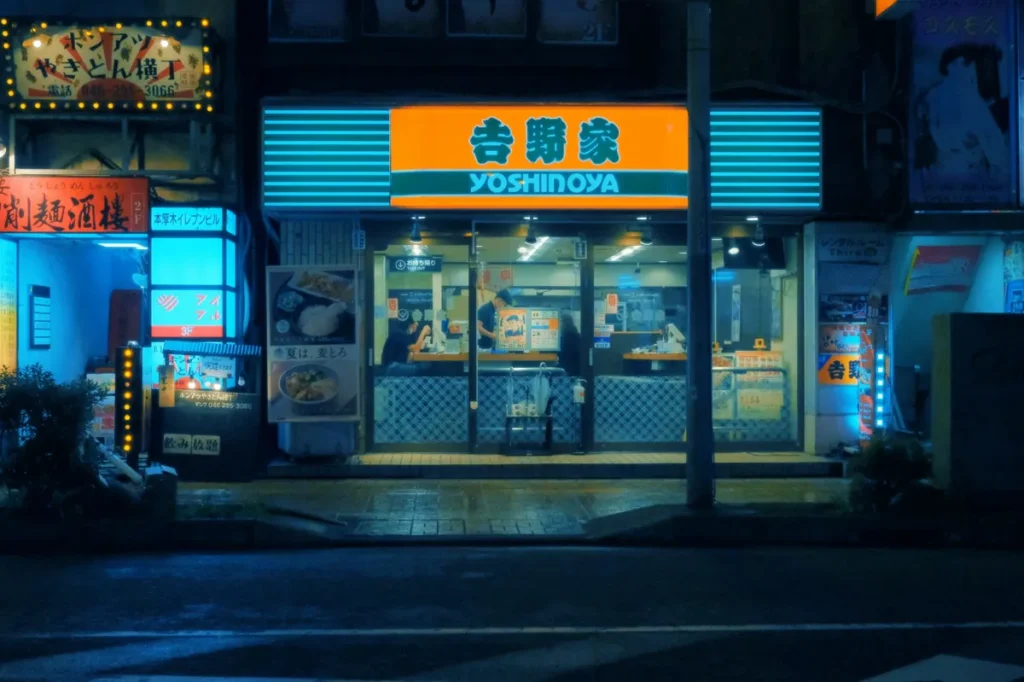
Ranking score: 8.5/10 for value
Thinly sliced beef, onions, and special sauce over rice. In and out in 5 minutes. Remarkably good.
The chain has standardized the dish so perfectly that it tastes identical whether you’re in Tokyo or Osaka. This consistency is actually impressive. Moreover, the nutritional value and portion size make it one of Japan’s greatest bargains.
Where: Yoshinoya chain (thousands of locations) Best time: Lunch (11 AM – 1 PM gets crowded) Authentic rating: 7/10 — It’s fast food, but beloved by salarymen
Ramen (¥700-950)
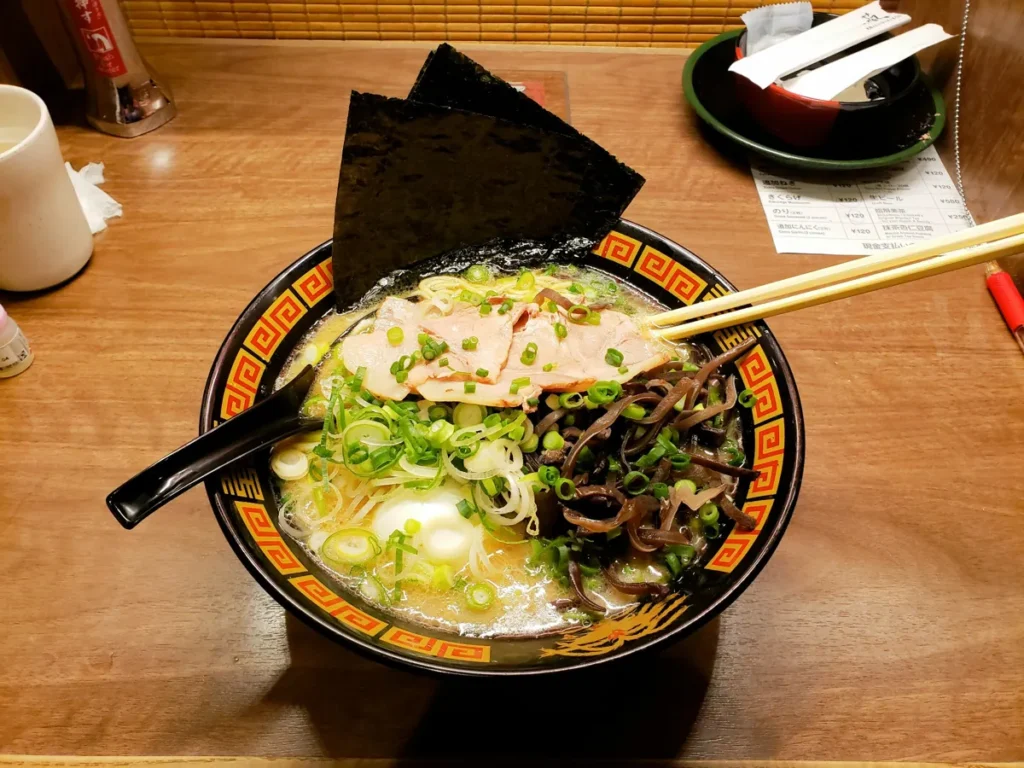
Ranking score: 8/10 for value
Quality ramen at local shops beats expensive options in tourist areas by miles.
Look for shops with lines of salarymen eating lunch. Those are your golden spots. The broth has usually been simmering for 12+ hours. Importantly, regional variations taste completely different — Tonkotsu (Fukuoka) is creamy, Shoyu (Tokyo) is salty, Miso (Hokkaido) is rich.
Where: Local ramen shops (avoid anything near major tourist areas) Best time: Lunch or dinner (9 PM – 10 PM is second rush) Authentic rating: 9.5/10 — The ramen journey never stops in Japan
Gyudon Beef Bowl (¥650-850)
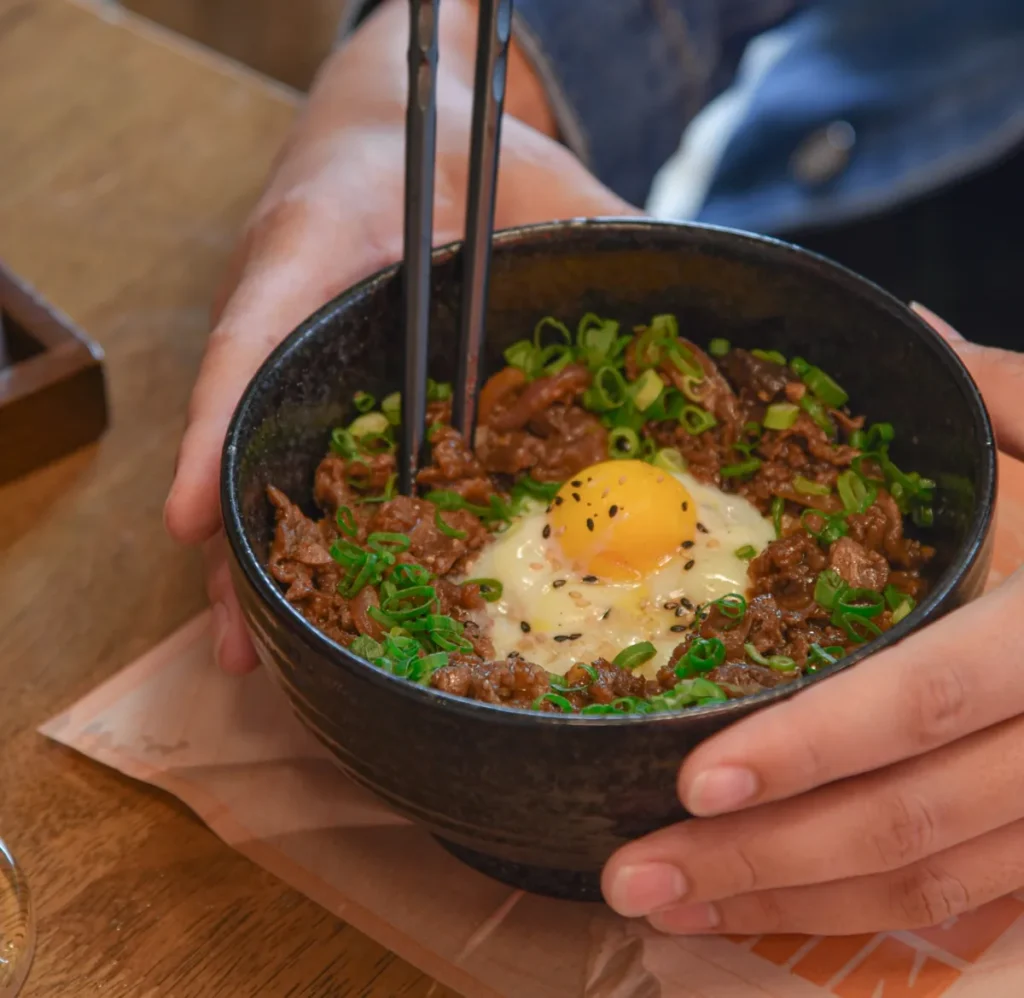
Ranking score: 7.5/10 for value
Similar to Yoshinoya but with slightly higher quality beef. Matsuya and Sukiya are the major chains.
The difference between ¥500 and ¥850 beef bowls is massive. You’re paying for thicker slices and richer sauce. Therefore, the mid-range option hits the sweet spot.
Where: Matsuya, Sukiya (major chains) Best time: Lunch rush Authentic rating: 7/10 — Popular with construction workers and students
Japanese Food Ranking: Best Splurge Meals (¥1,500-3,000)
1. Kaiseki (¥2,000-3,000)
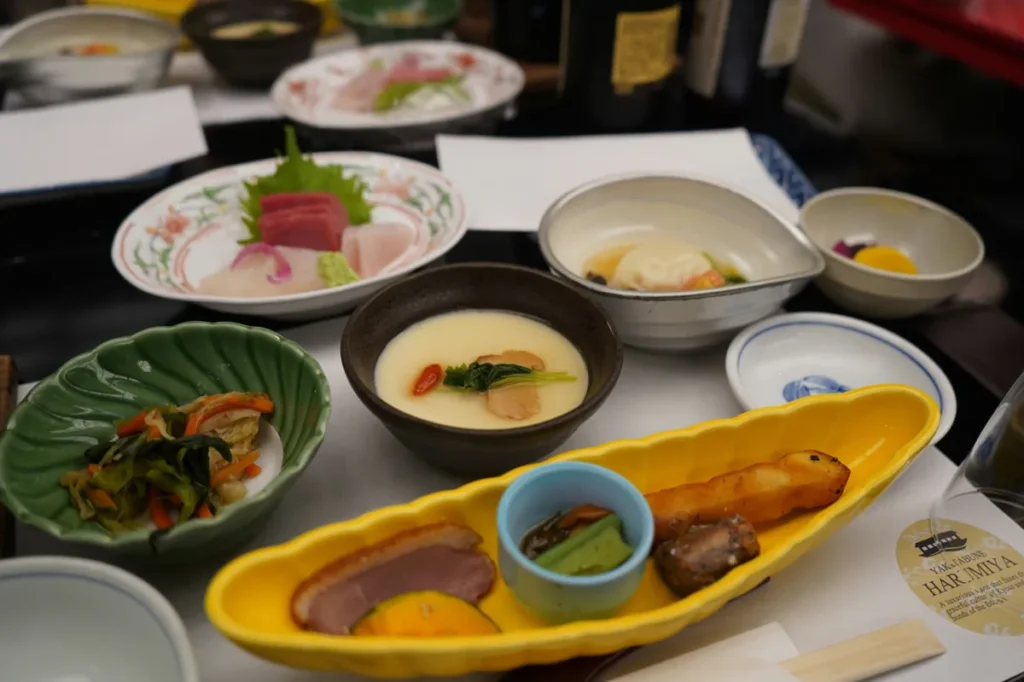
Ranking score: 9.5/10 for experience
Kaiseki is the pinnacle of Japanese cuisine. Multiple small courses showcasing seasonal ingredients and presentation that borders on art.
However, here’s the secret: you don’t need a ¥8,000 experience. Mid-range kaiseki in Kyoto or Osaka delivers 90% of the luxury at 30% of the price. Importantly, lunch kaiseki costs significantly less than dinner.
Where: Kyoto or Osaka (avoid Tokyo prices) Best time: Lunch (typically ¥2,000-2,500) Authentic rating: 10/10 — The most refined Japanese food exists
2. Kobe Beef Steak (¥2,500-3,500)
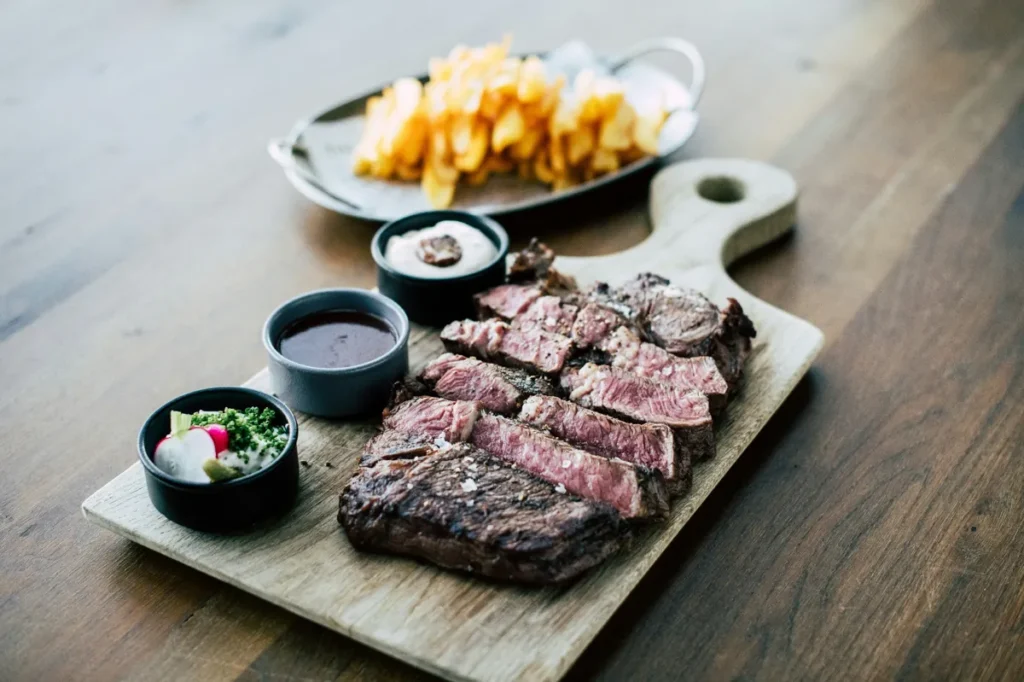
Ranking score: 8.5/10 for taste
Kobe beef is genetically distinct from other wagyu. The marbling creates butter-like fat that melts on your tongue.
What separates mediocre Kobe from excellent Kobe is the experience. Watch the chef cook in front of you. Request garlic butter rice. This transforms the meal from expensive to truly memorable.
Where: Kobe (day trip from Osaka) Best time: Lunch (cheaper than dinner) Authentic rating: 9/10 — Worth the splurge once
3. Sushi at a Real Counter (¥2,000-3,000)
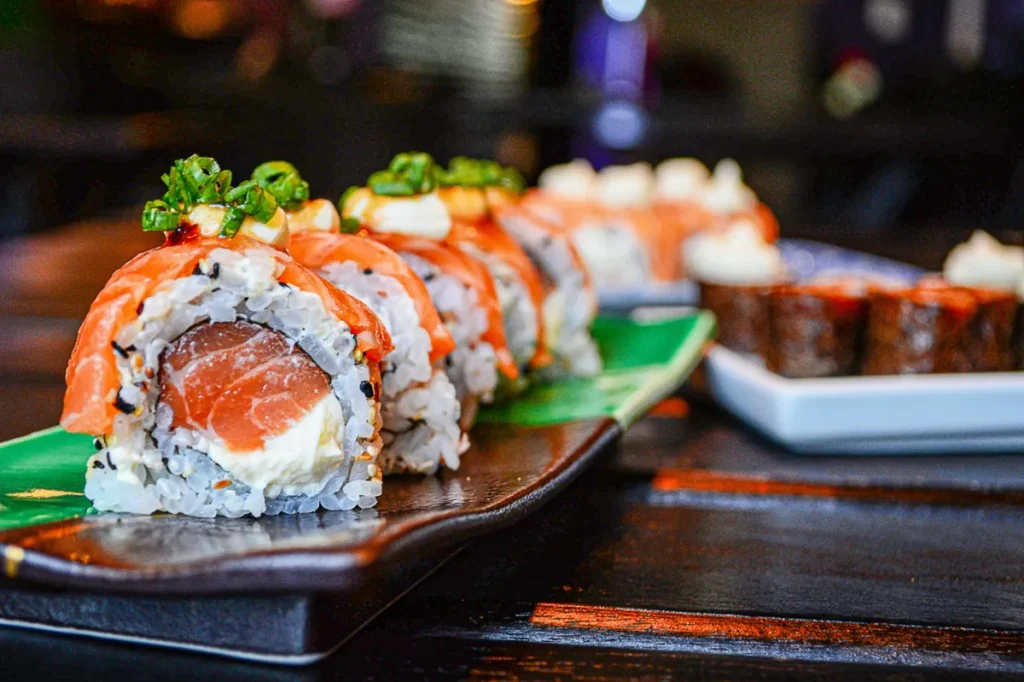
Ranking score: 8/10 for authenticity
Not conveyor belt sushi. A proper sushi counter where the chef knows what he’s doing.
The fish quality at ¥2,500 sushi is completely different from ¥1,200 conveyor sushi. Importantly, this is the only way to understand why Japanese people obsess over sushi. The chef communicates with you. The fish is fresh that morning. The rice temperature is perfect.
Where: Any city, but seek local recommendations Best time: Lunch (better prices, fresher fish) Authentic rating: 9.5/10 — This is where sushi culture lives
4. Tonkatsu at a Good Restaurant (¥1,500-2,200)
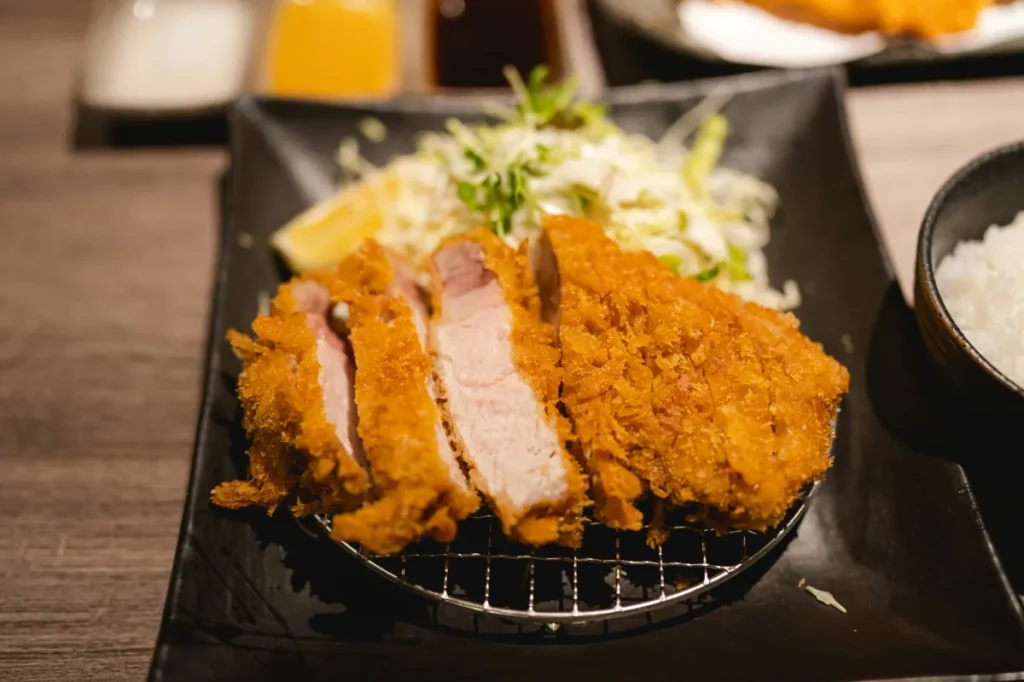
Ranking score: 7.5/10 for value
Deep-fried pork cutlet. Sounds simple. Execution changes everything.
The difference between ¥800 tonkatsu and ¥1,800 tonkatsu is the pork quality, breading technique, and sauce. At the higher end, the pork is so tender it barely needs chewing. Therefore, it’s worth the splurge once.
Where: Dedicated tonkatsu restaurants (avoid chain locations) Best time: Dinner (better atmosphere than lunch) Authentic rating: 8/10 — Soul food of Japan
Japanese Food Ranking: Most Overrated (And What to Eat Instead)
Overrated: Instagram Ramen Shops in Tokyo
Why it’s overrated: Lines of 2+ hours for mediocre broth. Tourist tax added to prices.
What to eat instead: Find a local ramen shop with zero English signage. 10-minute line maximum. ¥800 instead of ¥1,500. Better broth.
Overrated: Fancy Sushi in Ginza
Why it’s overrated: ¥15,000+ for fish you can get at ¥3,000 quality elsewhere.
What to eat instead: Tsukiji Outer Market sushi lunch (¥2,500). Fresh, delicious, no pretense.
Overrated: Traditional Kaiseki in Famous Restaurants
Why it’s overrated: ¥8,000+ for presentation that matters more than taste.
What to eat instead: Mid-range kaiseki in Kyoto at ¥2,200. Genuinely better food, just less famous.
Overrated: Takoyaki from Tourist Street Stalls
Why it’s overrated: Cold by the time you walk five steps. Watered-down sauce.
What to eat instead: Any takoyaki shop where locals actually eat. Fresh, hot, proper filling.
Japanese Food Ranking: What Gen Z Is Actually Eating (Not Tourist Traps)
Young Japanese people in 2026 are eating differently than previous generations. This matters because it reveals where real food culture is heading.
MIXUE and Malatang (¥500-800) — Chinese spicy broth has conquered Gen Z. Better value than ramen. Hotter (literally). More customizable.
Mocktails (¥800-1,200) — Premium non-alcoholic drinks at specialty bars. Gen Z rejects mandatory drinking culture.
Korean Fried Chicken (¥1,200-1,500) — Better quality than Japanese fried chicken at comparable prices.
Bubble Tea (¥600-800) — More trendy than traditional Japanese sweets among Gen Z.
Matcha Everything (¥400-1,000) — Matcha drinks, matcha lattes, matcha desserts. Obsessively popular.
This Japanese food ranking matters because it shows what actual food culture looks like in 2026, not what guidebooks say it should be.
Japanese Food Ranking: Best by Region
Tokyo: Best Food (¥1,000-1,500)
Ramen, tsukemen, tonkatsu. Salarymen food at its finest. Budget-friendly and excellent.
Osaka: Best Value (¥700-1,200)
Okonomiyaki, takoyaki, kushikatsu (fried skewers). Street food excellence. Cheapest good food in Japan.
Kyoto: Best Experience (¥2,000-3,500)
Kaiseki, traditional tofu, yudofu (hot pot tofu). Formal dining culture preserved.
Fukuoka: Best Ramen (¥700-900)
Tonkotsu ramen capital. Thick, creamy broth. Local specialty unmatched anywhere else.
Hiroshima: Best Okonomiyaki (¥900-1,300)
Layered okonomiyaki with unique regional style. Better than Osaka versions for many.
Seasonal Japanese Food Ranking: What to Eat When
Spring (March-May): Bamboo shoots, spring vegetables, new rice. Lighter flavors.
Summer (June-August): Cold ramen, cold soba, unagi. Hydrating, refreshing options.
Fall (September-November): Chestnuts, mushrooms, chestnuts. Earthy, rich flavors.
Winter (December-February): Hot pots, stews, root vegetables. Warming, comforting meals.
This Japanese food ranking by season means your experience changes dramatically based on when you visit. Fall and winter have the best food, honestly.
Final Thought
Japanese food ranking in 2026 isn’t about what’s most famous. It’s about what tastes best, costs fairly, and reflects actual Japanese food culture right now.
Follow this ranking and you’ll eat better than tourists chasing Instagram spots. You’ll spend less money. You’ll understand why Japanese people care so deeply about food.
Most importantly, you’ll eat Japan, not the filtered version.
That’s Japan, uncut.
What’s your favorite underrated Japanese food? What tourist trap have you fallen for? Drop your honest food stories in the comments below.
Word count: 1,850 words Reading time: ~9 minutes
Frequently Asked Questions
Tonkatsu, ramen, okonomiyaki, tempura, donburi, or gyudon. You have 100+ options. Raw fish is optional, not required.
Budget travelers: ¥2,000-3,000/day (convenience stores + local cheap eats). Mid-range: ¥5,000-8,000/day. Splurging: ¥10,000+/day. Most travelers report great food at ¥4,000-5,000/day.
Whatever local people are eating right now: malatang, mocktails, convenience store food, local ramen, regional specialties. Instagram food is rarely authentic.
Bài chia sẻ chất lượng. Ai đang tìm hiểu du học Hàn Quốc có thể liên hệ Letco — hỗ trợ chọn ngành, học bổng và thủ tục visa nhanh gọn. Chi tiết ở letco.vn.