
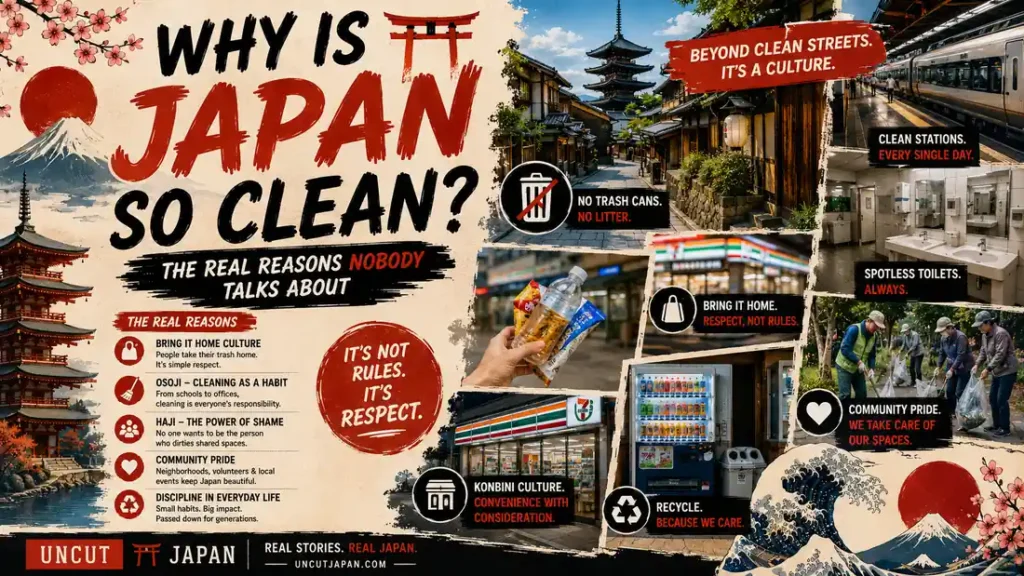
You land in Tokyo for the first time. You step outside the airport, walk through the city, explore busy neighborhoods, eat street food, and spend hours wandering around one of the most densely populated cities on earth.
Then it hits you.
There is no garbage anywhere.
No overflowing bins. No litter on the sidewalks. No stains on the streets. No graffiti on the walls. The subway stations smell clean. The public toilets are immaculate. Even the back alleys look like someone swept them this morning.
And then you notice something that makes it even more confusing.
There are almost no trash cans.
Anywhere.
You’re holding a convenience store wrapper with nowhere to put it while standing in the middle of a city of 14 million people — and somehow the streets are still spotless.
This is the Japan cleanliness paradox. And the real answer goes much deeper than most travel guides are willing to go.
First — How Clean Is Japan Actually?
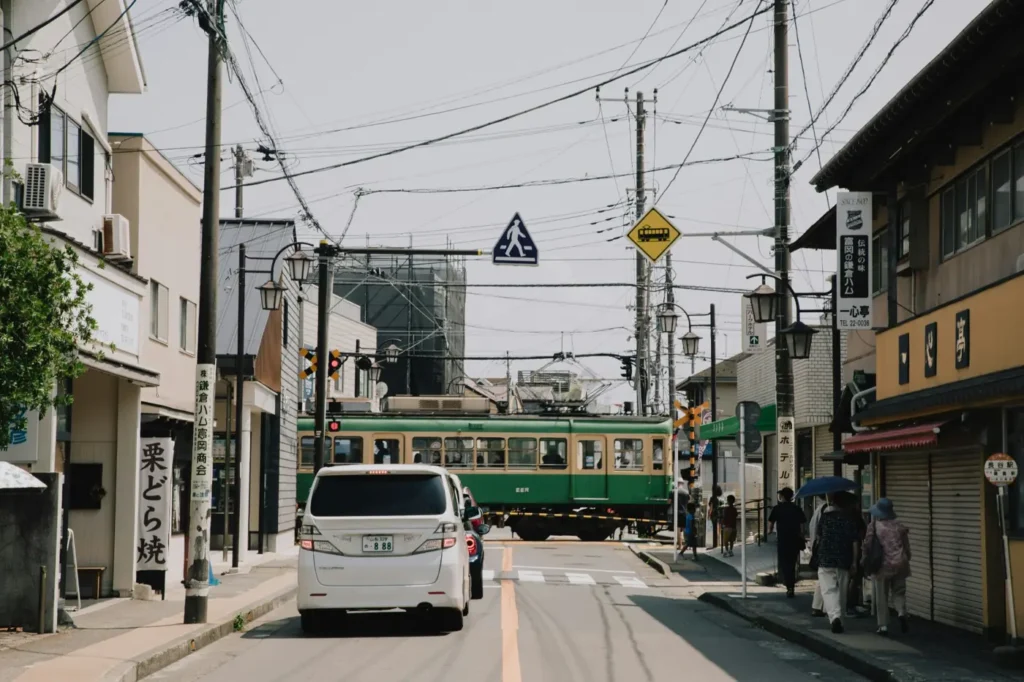
Not exaggerated clean. Genuinely, jaw-droppingly, makes-you-question-everything clean.
Tokyo consistently ranks as one of the cleanest major cities in the world. But it’s not just Tokyo. Osaka. Kyoto. Hiroshima. Sapporo. Small towns. Rural villages. Train stations at midnight. Public parks at 6am. The standard holds everywhere.
First-time visitors consistently describe the cleanliness of Japan as one of the most surprising experiences of their entire trip — often more surprising than the temples, the food, or the technology.
That reaction is universal and it tells you something important: Japan’s cleanliness isn’t just good maintenance. It’s a different relationship between people and public space.
The Real Reasons Why Japan Is So Clean
1. The “Bring It Home” Culture — Why There Are No Trash Cans
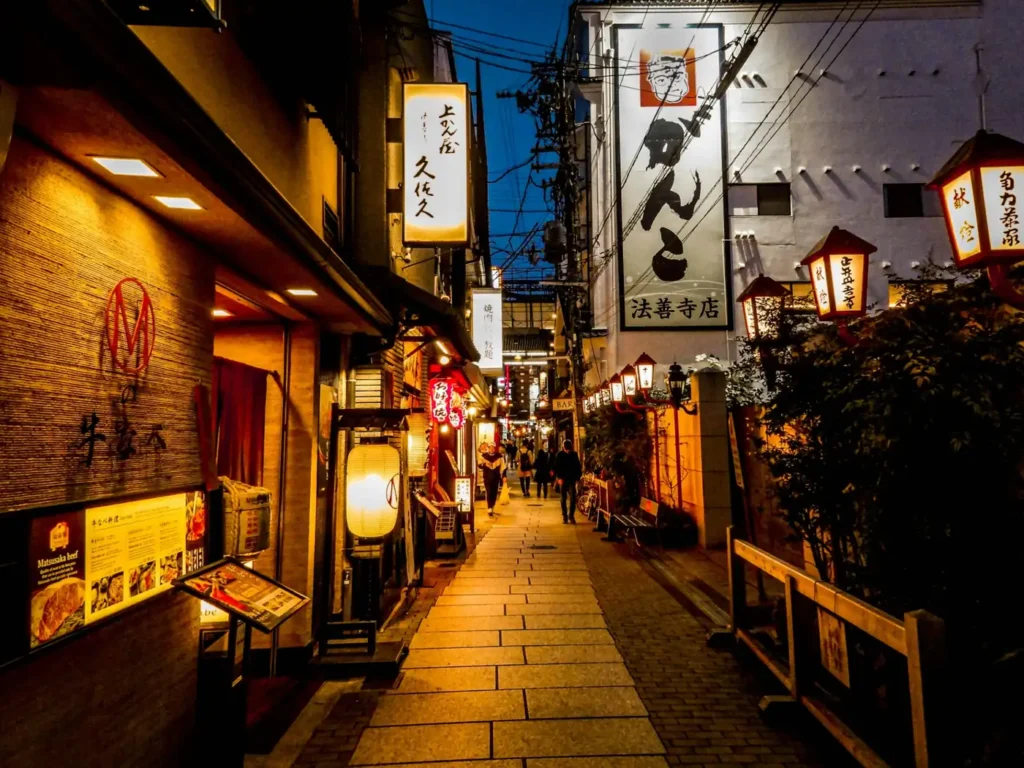
Here’s the thing that breaks Western visitors immediately.
Japan removed most public trash cans in the late 1990s following the 1995 Tokyo subway sarin attack, where trash cans were used to hide explosive devices. But instead of litter appearing everywhere, the streets stayed clean.
Why? Because Japanese people simply carry their trash home.
This is not a rule anyone enforces. There’s no fine for littering in most places. It’s purely cultural — the idea that if you brought something into public space, it’s your responsibility to deal with it. Not the government’s. Not the city’s. Yours.
The concept is called “mottainai” (もったいない) — a deep cultural aversion to waste. But even beyond mottainai, there’s a broader principle at work: you don’t make your problem someone else’s problem.
In practice this means Japanese people will carry a convenience store wrapper in their bag for hours until they reach a trash can. They will bring their bento box packaging home on the train. They will hold their empty coffee cup until they find a recycling bin.
Western visitors find this bizarre at first. Then they start doing it too. And they realize how much of Western littering culture is actually about convenience, not necessity.
2. Osoji — The Culture of Cleaning as Responsibility
In Japanese schools, there are no janitors.
Students clean everything themselves. Every day. From elementary school through high school, Japanese children are responsible for cleaning their classrooms, hallways, bathrooms, and school grounds. This practice is called osoji (大掃除), and it’s one of the most important cultural habits Japan passes to every generation.
The lesson isn’t just practical. It’s philosophical.
When you clean a space yourself, you develop a relationship with it. You understand the work required to maintain it. You become far less likely to dirty it carelessly.
This is why why Japan is so clean is fundamentally a question about education, not infrastructure. Japan doesn’t have a better street-cleaning system. It has a culture where people genuinely don’t want to make a mess — because they grew up cleaning messes.
The osoji tradition extends into adult life. Companies hold regular office cleaning sessions. Neighborhoods organize cleaning days. Temples and shrines are maintained by volunteer community groups.
Cleanliness is not outsourced. It’s shared.
3. Haji — The Role of Shame in Japanese Culture
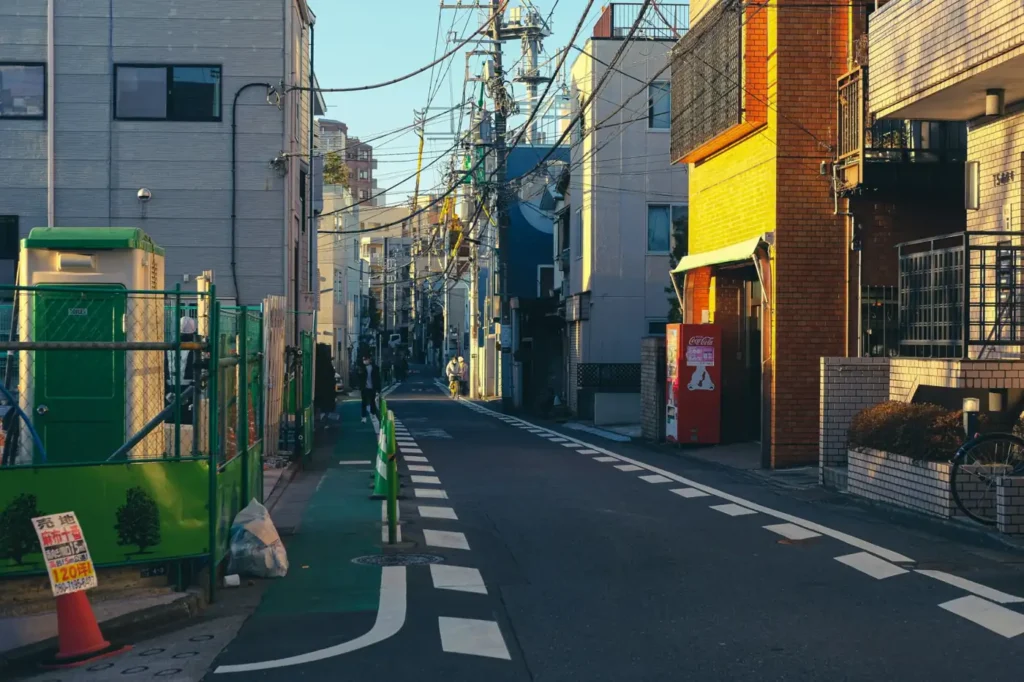
Japanese society operates heavily on the concept of haji (恥) — shame.
Not personal guilt, which is internal. Shame, which is social. The idea that your actions reflect on your family, your community, your country. That being seen doing something disrespectful is worse than the act itself.
Littering in Japan isn’t just inconsiderate. It’s shameful. It signals that you don’t respect shared space. That you’re putting your convenience above the community. That you’re the kind of person who does that.
In a society that values harmony and collective responsibility deeply, that’s a serious social cost.
This doesn’t mean Japanese people are robots controlled by fear of judgment. But it does mean that the social pressure to maintain shared standards is real and consistently reinforced.
When you’re surrounded by people who all take care of public space, not doing so stands out. And in Japan, standing out in a negative way carries genuine social weight.
4. Keiro no Hi and Community Cleaning Events
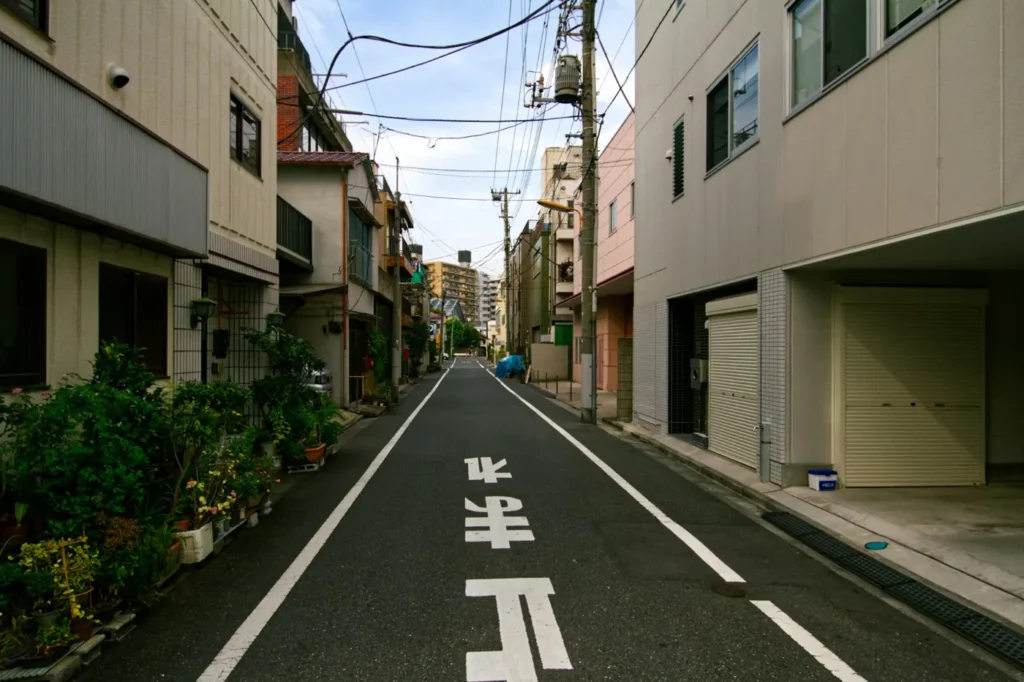
Japan has a deeply ingrained tradition of neighborhood-level responsibility for shared spaces.
Chonaikai (町内会) are neighborhood associations that exist in virtually every residential area in Japan. One of their core functions is organizing regular neighborhood cleaning events where residents sweep streets, clean drains, and maintain public areas together.
These aren’t government mandated. They’re community organized. Participation is essentially expected.
This means that public spaces in Japan are maintained not just by professional cleaners but by the people who actually live near them. Residents have a personal stake in keeping their neighborhood clean because they’re the ones who clean it.
The result is a distributed maintenance system that works at a scale no professional he result is a distributed maintenance system that works at a scale no professional
5. The Train Station Effect
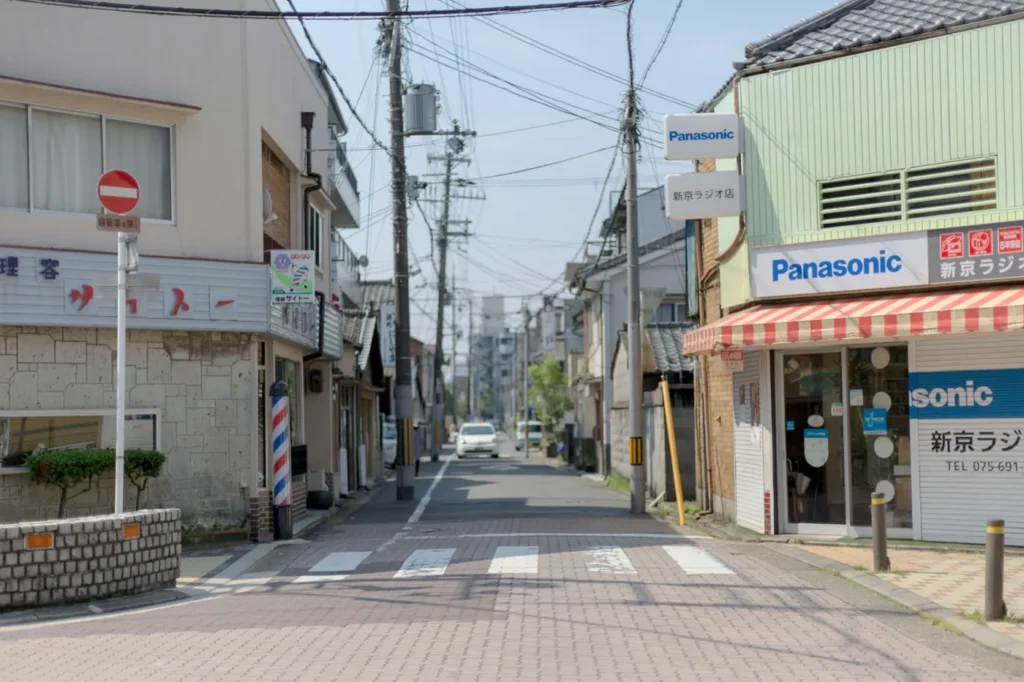
Japan’s train stations are a case study in environmental design that reduces mess.
Eating and drinking on most local trains is considered rude. Many people won’t even finish their coffee before boarding. This single cultural norm eliminates an enormous source of litter that plagues transit systems worldwide.
Platform staff at major stations clean between train arrivals with remarkable efficiency. Seating areas are wiped down. Platforms are swept. This happens constantly throughout the day because maintaining standards in a high-traffic public space requires continuous effort — and Japan commits to that effort.
The trains themselves are cleaned between every journey. The cleaning crews enter as soon as passengers exit, wipe down every seat, collect any forgotten items, and exit before the next boarding. The whole process takes minutes. It happens hundreds of times a day at major stations.
Experiencing this for the first time feels almost theatrical. Then you realize it’s just Tuesday.
6. Pride in Public Space
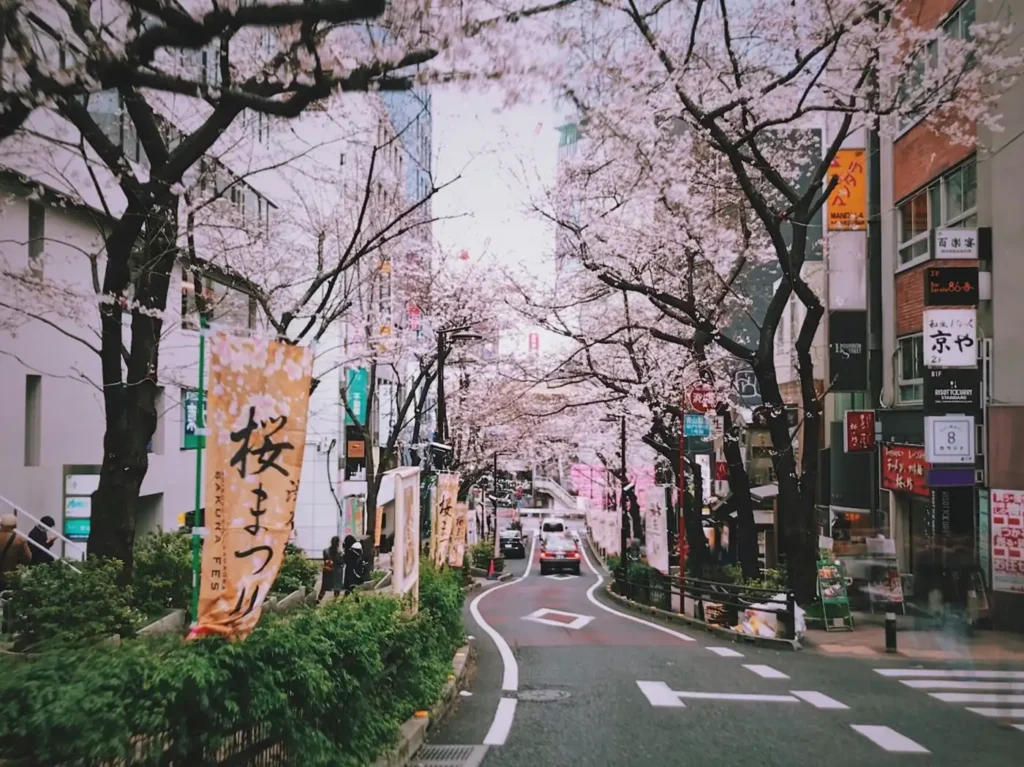
Perhaps the deepest reason why Japan is so clean is something harder to quantify.
Japanese people genuinely feel pride in their public spaces. The street outside your home is not just a street. It’s part of your community. The train you take to work every morning is not just infrastructure. It’s a shared resource that everyone maintains together.
This sense of collective ownership over public space is rare in the modern world. In many countries, public space is seen as nobody’s responsibility — and it looks that way.
In Japan, public space is seen as everyone’s responsibility. And it looks that way too.
What Happens When You Visit Japan and Experience This
Something interesting happens to most Western visitors in Japan.
In the first few days, they’re amazed by the cleanliness. By the end of the trip, they’ve unconsciously started carrying their trash. They’ve stopped assuming someone else will clean it up. They’ve internalized a different relationship with shared space.
Then they go home. And they’re horrified.
Not because their home country became dirtier. But because they’re seeing it differently. The litter that was always there now stands out in a way it didn’t before. The assumption that someone else will deal with it feels strange.
This is the Japan cleanliness effect. And it’s one of the most lasting things visitors take home — more lasting than photos, more lasting than souvenirs.
It changes how you see your own relationship with public space. That’s rare. That’s powerful. That’s Japan.
Can Other Countries Learn From Japan’s Approach to Cleanliness?
Honestly? Yes and no.
The infrastructure lessons are transferable — better waste sorting systems, more frequent cleaning, community ownership programs. Some cities around the world have successfully implemented Japan-inspired cleanliness initiatives with real results.
But the cultural foundation — the osoji tradition, the mottainai philosophy, the collective responsibility — that takes generations to build. It can’t be installed like a policy. It has to be taught, modeled, and reinforced over decades.
Japan’s cleanliness isn’t a system. It’s a value.
And that’s both the most inspiring and most humbling part of understanding why Japan is so clean.
Final Thought
The next time someone asks you why Japan is so clean, don’t say “because they fine people for littering.” They don’t.
Don’t say “because they have better cleaning crews.” They’re not that different.
Say this: Japan is clean because generations of Japanese people were taught that public space belongs to everyone — and that means everyone is responsible for it.
That’s it. That’s the whole answer.
It’s Japan, uncut.
Have you visited Japan and experienced the cleanliness first hand? What surprised you most? Drop it in the comments below.
Yes and it’s not exaggerated. First-time visitors consistently describe Japan’s cleanliness as one of the most genuinely shocking experiences of their trip. Tokyo, Osaka, Kyoto and even small rural towns maintain the same high standard. Public toilets, train stations, back alleys — all clean.
Mottainai (もったいない) is a Japanese concept expressing deep regret over waste. It goes beyond just not littering — it’s a cultural value of respecting resources and not being careless with things that took effort to create. It’s one of the core reasons Japan has such a strong anti-waste culture.
Japan is clean because of deep cultural values around collective responsibility. Practices like osoji — where students clean their own schools daily — teach generations of Japanese people that public space belongs to everyone and everyone must maintain it. This cultural foundation, combined with the mottainai philosophy of avoiding waste, creates cleanliness that no government policy alone could achieve.
Surprisingly no — most areas in Japan have no enforced fines for littering. Japan’s streets are clean not because of punishment but because of genuine cultural values. People simply don’t litter because it’s considered deeply disrespectful to the community.
- Japanese Food Ranking 2026: Best Dishes Ranked by Value & Authenticity
- Malatang Japan: Why Gen Z Is Obsessed With Chinese Spicy Broth — And Why It Matters
- The Japan Effect — Why Instagram Japan Is Dying and Real Japan Is Taking Over
- Why Young Japanese People Are Quitting Alcohol — And What They’re Drinking Instead
- 10 Japanese Words That Have No English Translation (And Will Change How You See The World)